News

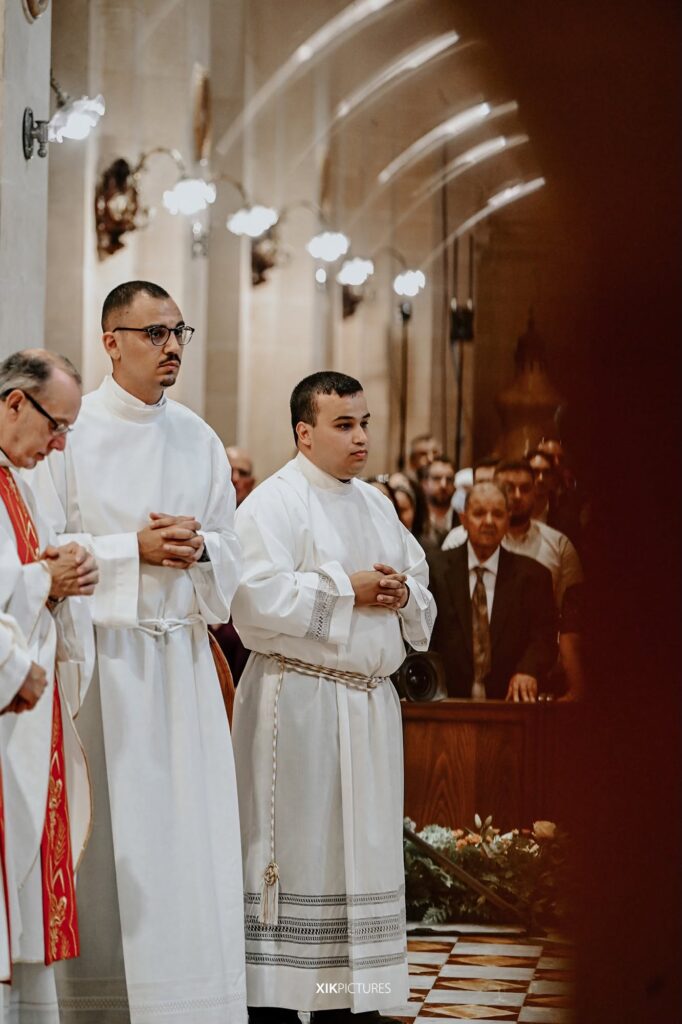
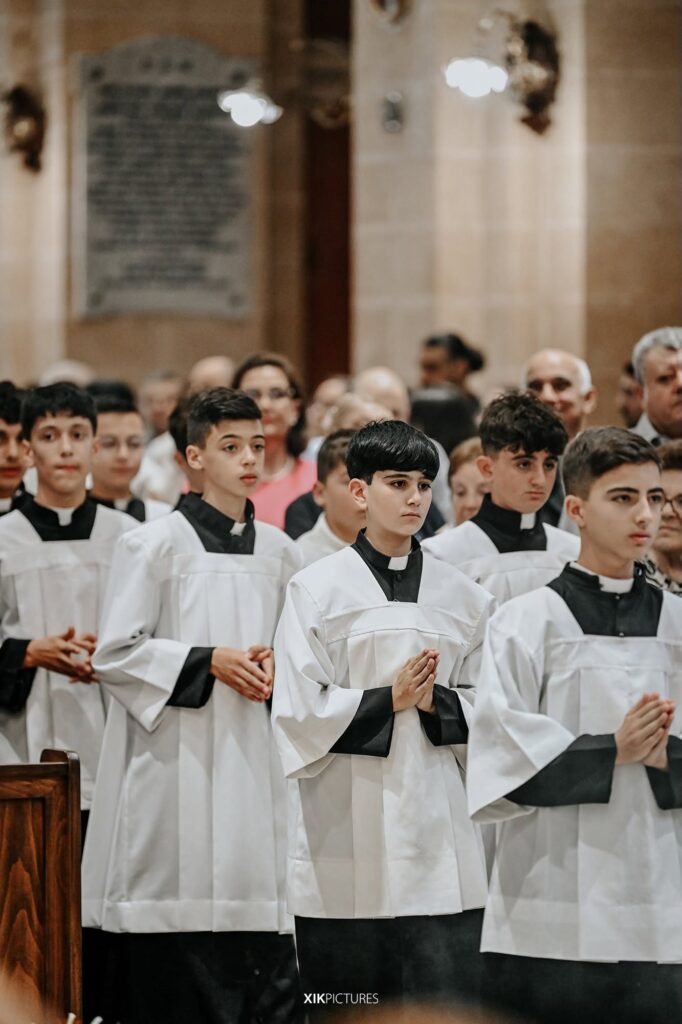
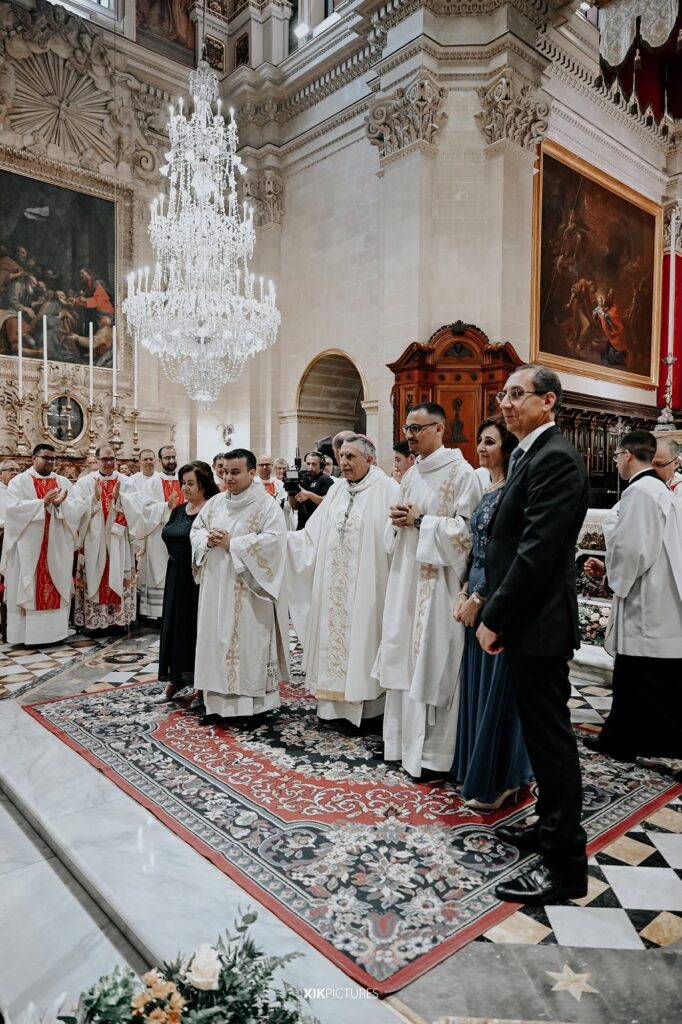
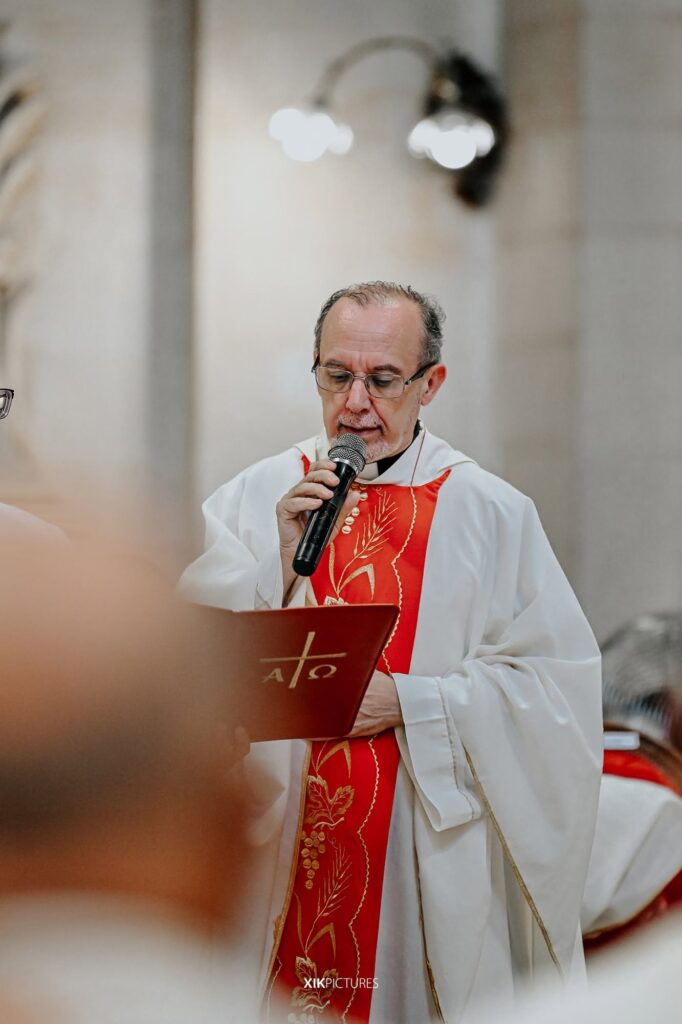
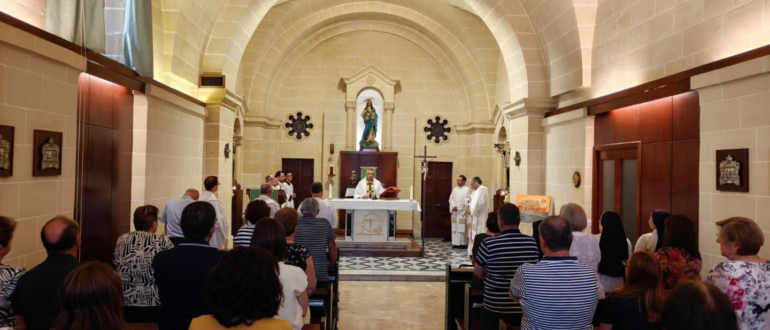
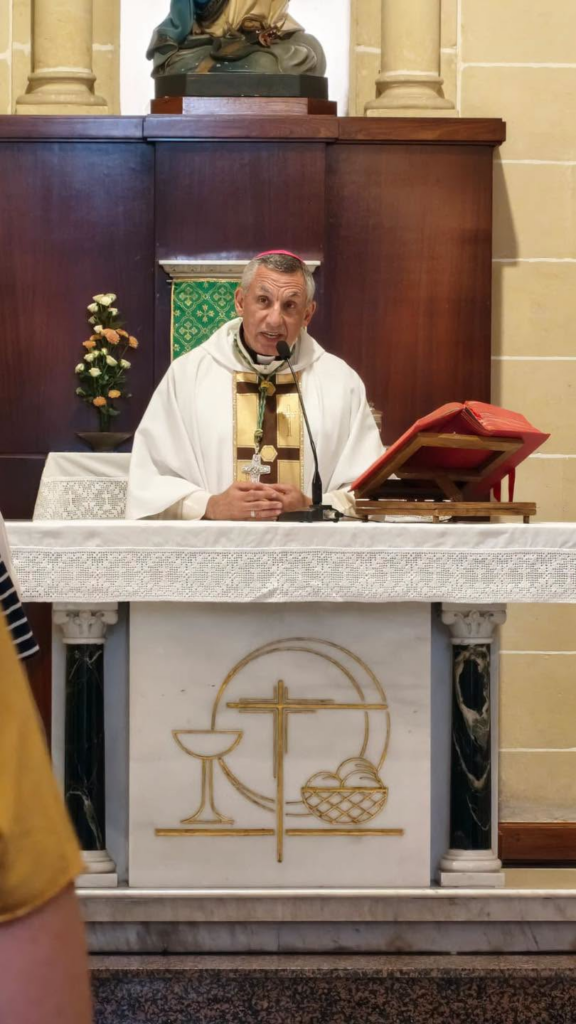
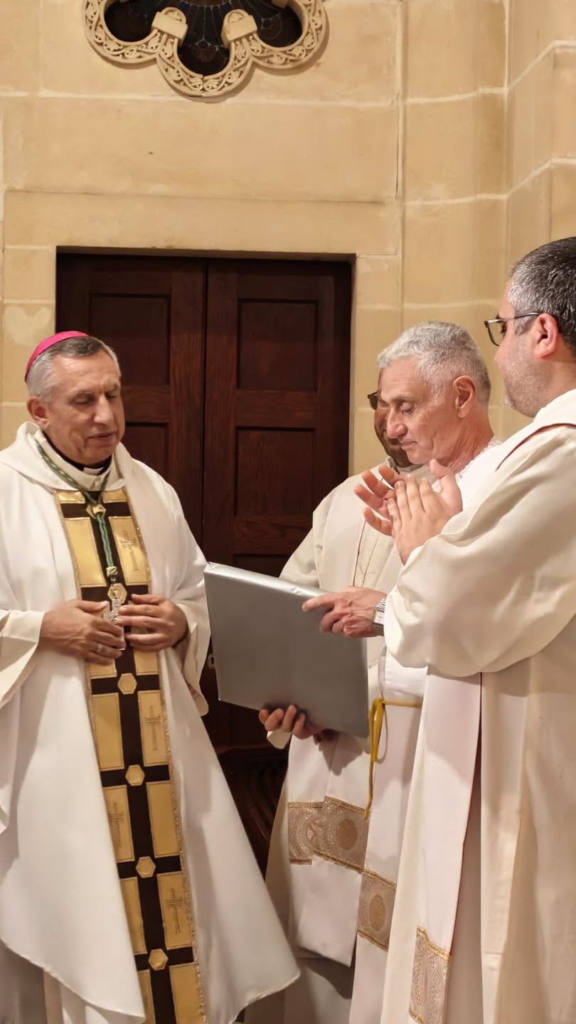
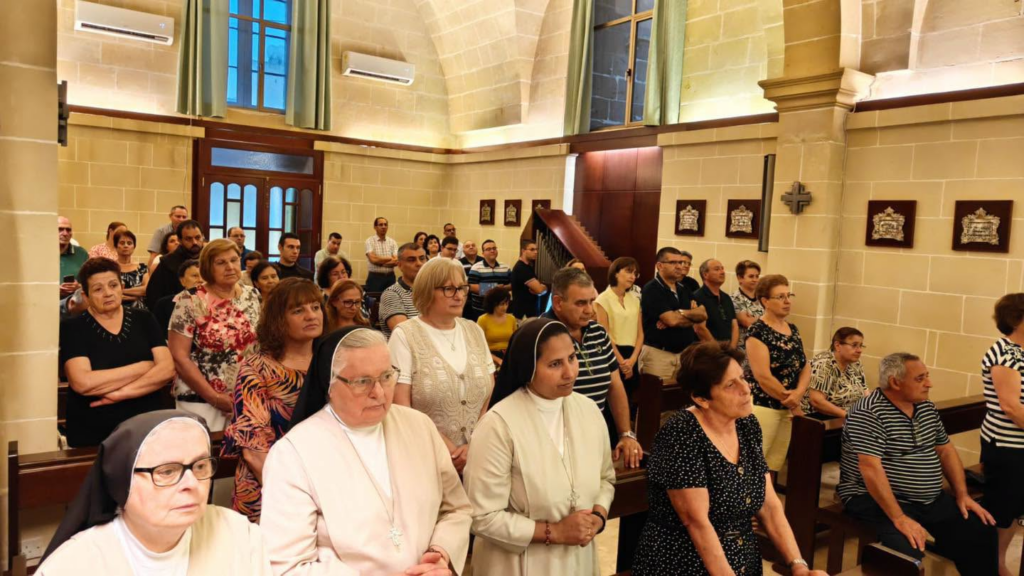
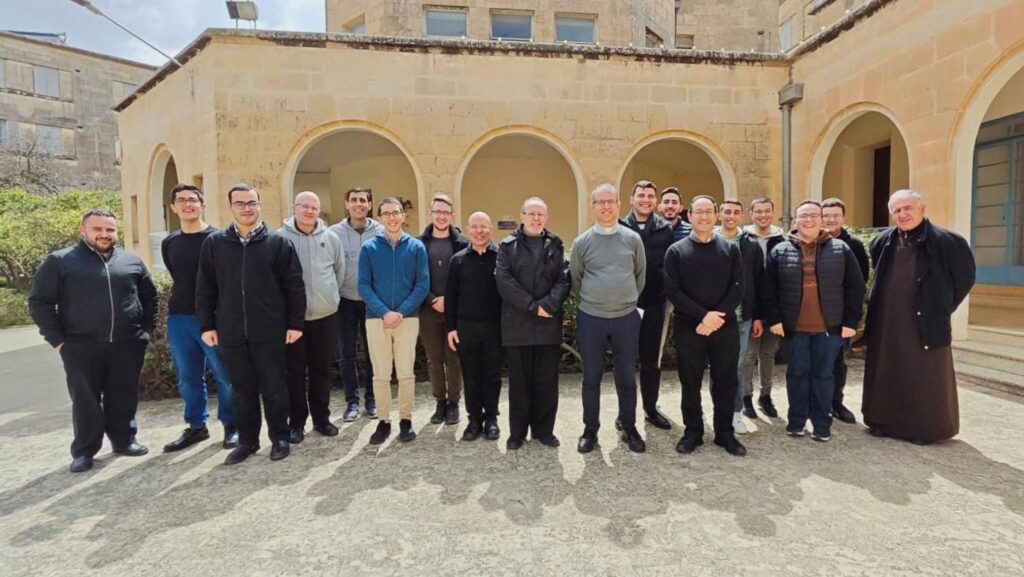
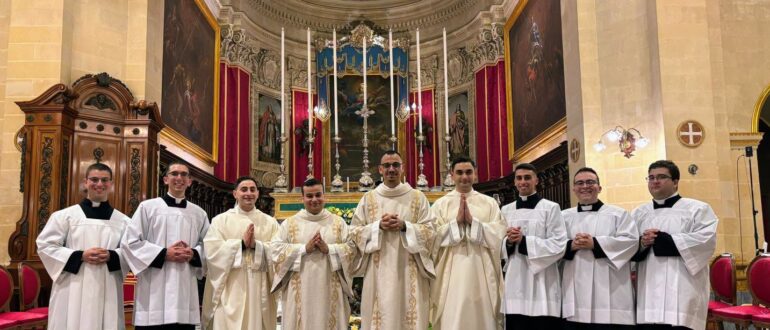
On 17 June, the Seminary community gathered to mark the conclusion of another formative year with a Mass celebrated by Bishop Anton Teuma. Joining the celebration were the formators, seminarians, professors, sisters, staff members, volunteers, the Aħwa-Ħbieb tas-Seminarju, and the seminarians’ families.

During the concelebrated Mass, prayers were offered for the benefactors who passed away during the year. The community also expressed its gratitude to Monsignor Joseph Bezzina and Monsignor Anton Borg for their many years of dedicated service as professors at the Seminary, as both concluded their ministry in this role during the current academic year.

As the Seminary gives thanks to God for the many graces received throughout the year, it also extends its heartfelt appreciation to all those who have supported its mission through their work, generosity, and prayers. Their continued commitment remains an invaluable contribution to the life and formation of the community.

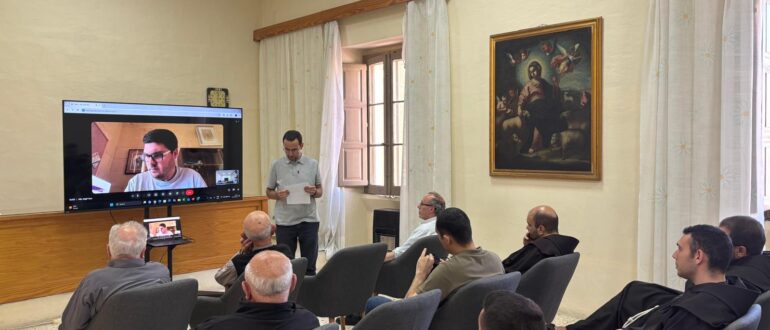
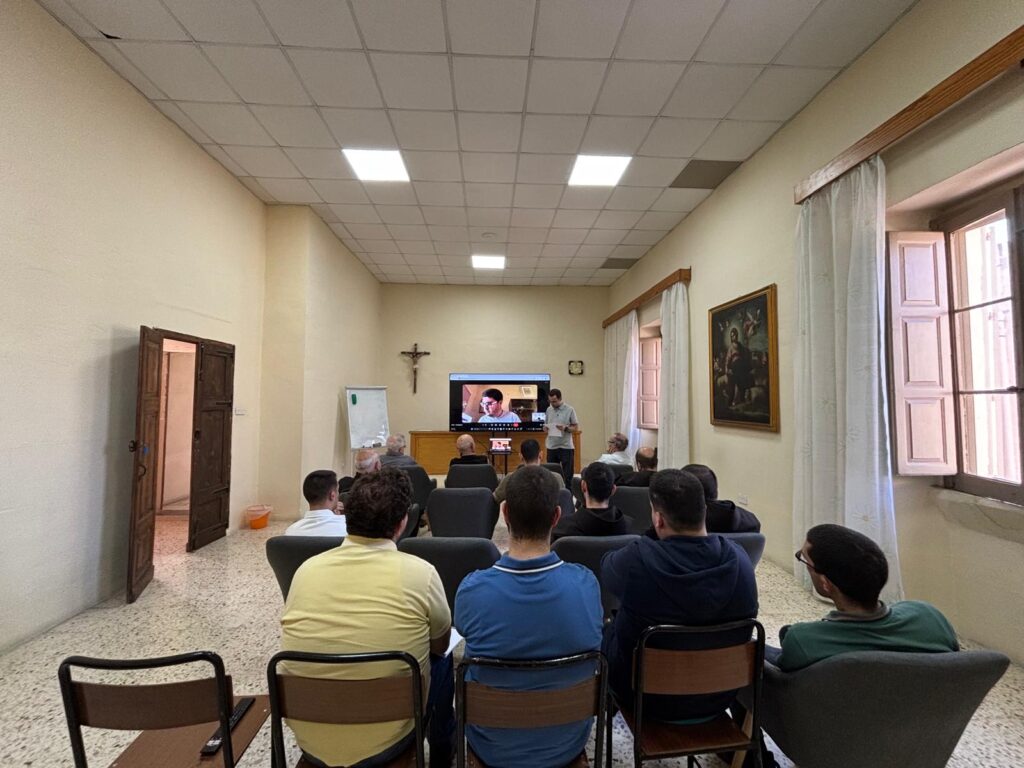
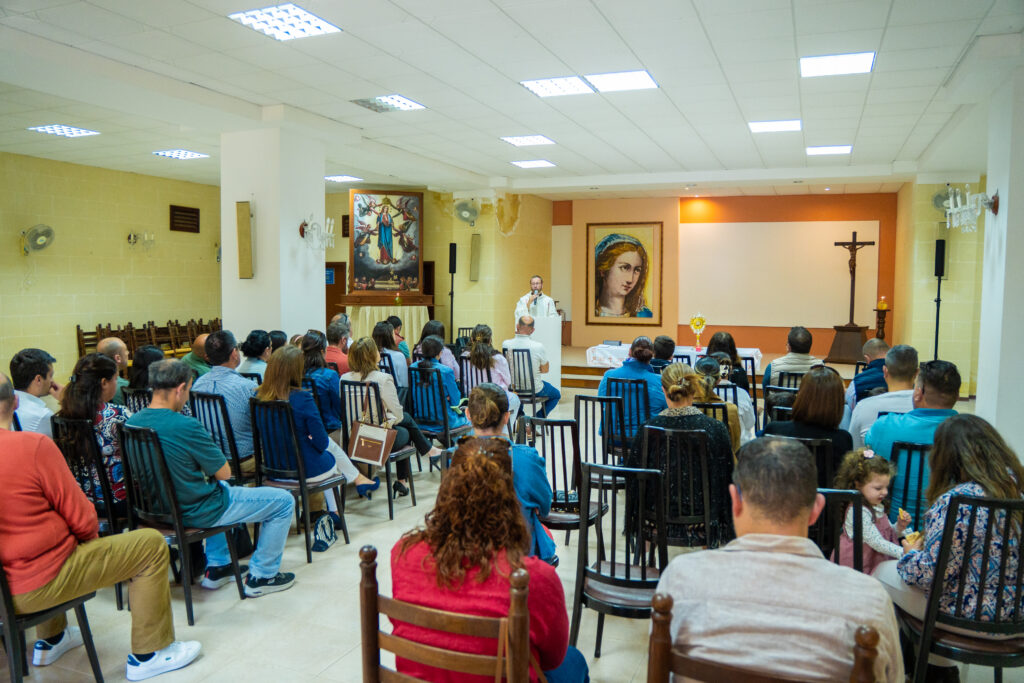
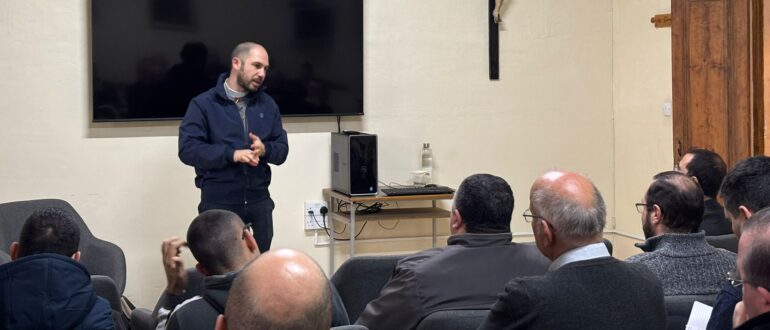
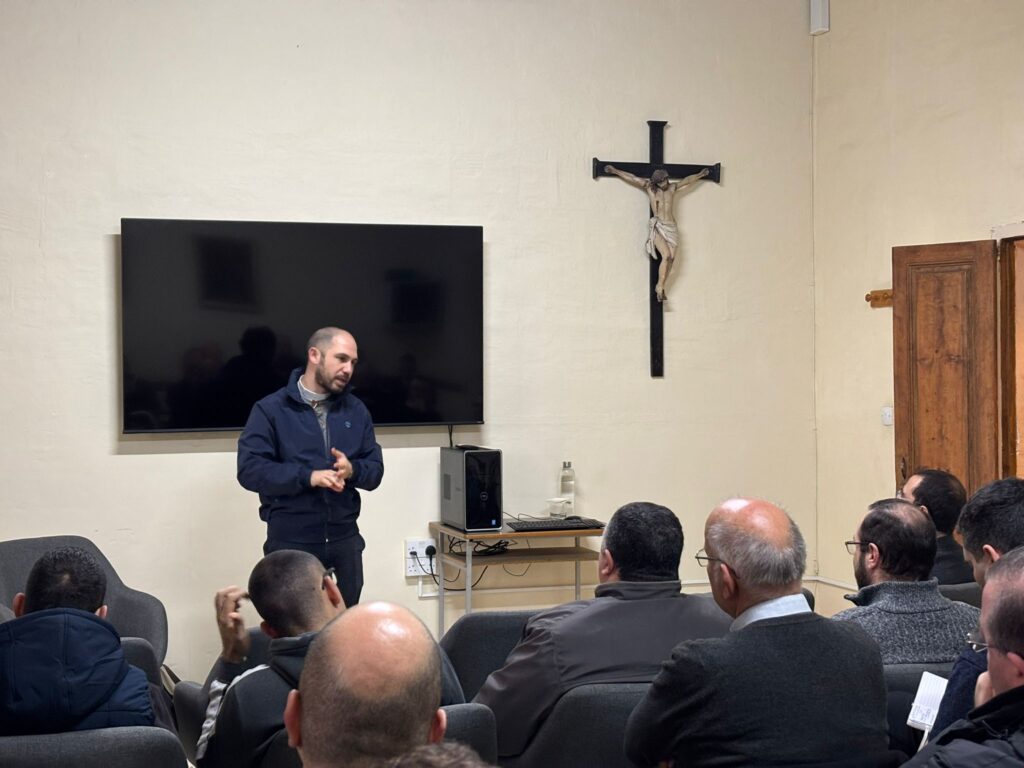
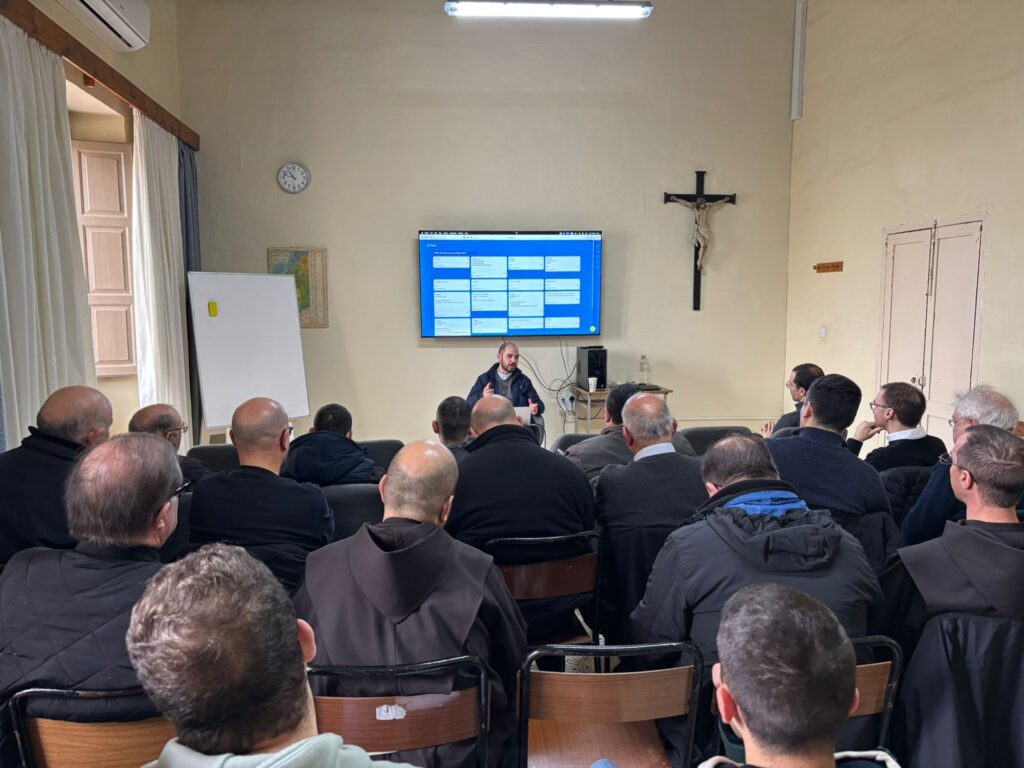
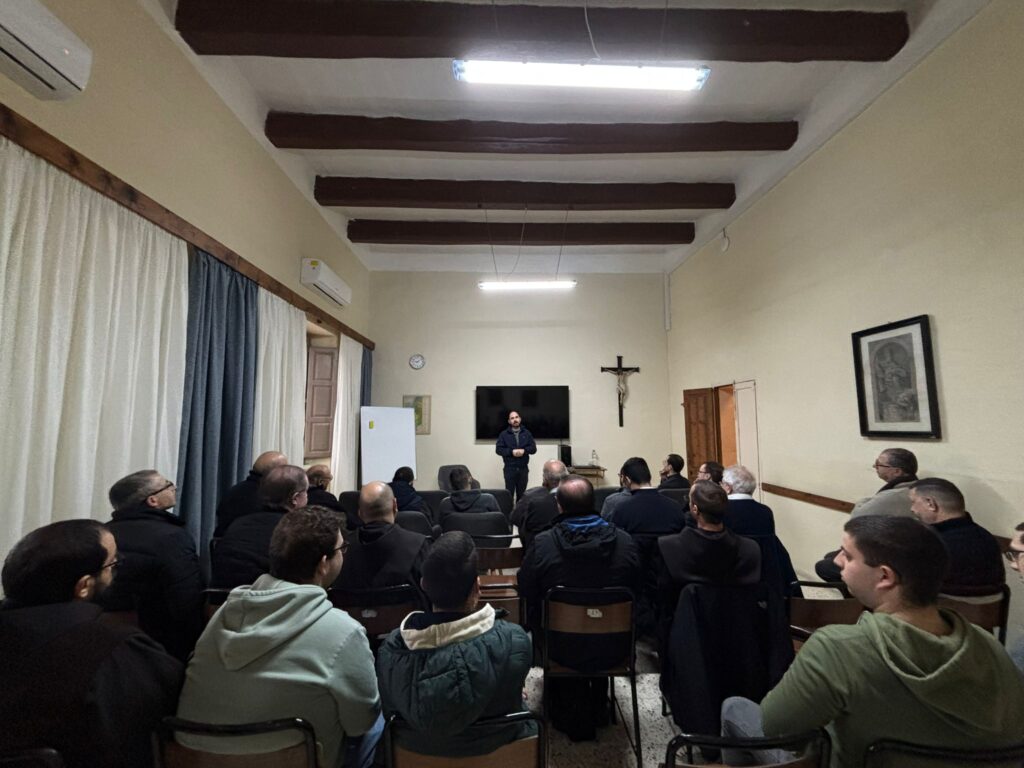
On 13th May 2026, a moral case study regarding work within the iGaming industry was held at the Seminary Conference Room led by Rev. Fr. Joseph Hili. The case study was attended by students of the Sacred Heart Theological Institute, several formators, lecturers, and other members of the clergy. It focused on the moral implications surrounding employment in industries connected with gambling and digital gaming services.

The case concerned, a 31-year-old IT engineer from Gozo and simultaneously a practicing Catholic actively involved in his parish community. After years working in a small company with an average salary, he received a highly attractive offer from a major Malta-based iGaming company. The position offered double his current salary, health insurance, annual bonuses, and hybrid working conditions. The engineer’s role would be purely technical, focusing on IT infrastructure and cybersecurity, without direct involvement in gambling operations or interaction with users.

Despite the professional advantages, he remained morally troubled. Although iGaming is legal and regulated in Malta, he was conscious of the social harm associated with online gambling, including addiction, debt, and family breakdown. His concerns deepened after learning that the company had previously been investigated for aggressive marketing practices targeting vulnerable people. While his fiancée expressed reservations regarding the social impact of the industry, the engineer’s father argued that technical role did not directly contribute to gambling itself. Seeking clarity, he consulted his parish priest asking whether he could accept such employment with a clear conscience.

After outlining the case, the presentation proceeded by examining the distinction between working “in” iGaming and working “for” the industry, particularly in relation to technical and indirect forms of cooperation. Attention was given to the Church’s moral tradition regarding cooperation in evil, distinguishing between formal and material cooperation, as well as proximate and remote forms of participation. The discussion also explored the relationship between civil legality and moral responsibility, emphasizing that the legality of an activity does not necessarily render it morally good.

Particular reference was made to the role of conscience, prudential judgment, and personal responsibility within complex economic realities. The presentation also reflected on the weight carried by financial obligations and family security when evaluating morally difficult employment decisions. Furthermore, the significance of the company’s prior investigation was discussed, especially concerning scandal, corporate ethics, and the moral implications of association with questionable practices even in the absence of legal condemnation.

The presentation revolved principally around two central themes: (1) the moral responsibility of Christians within professional and economic structures, and (2) the application of Catholic moral theology to contemporary industries and forms of remote cooperation. Special emphasis was placed on the formation of conscience and the pastoral role of priests when guiding individuals faced with ethically ambiguous professional situations.

Following the presentation, a brief discussion took place in which participants reflected on the practical, pastoral, and theological dimensions of the case study.
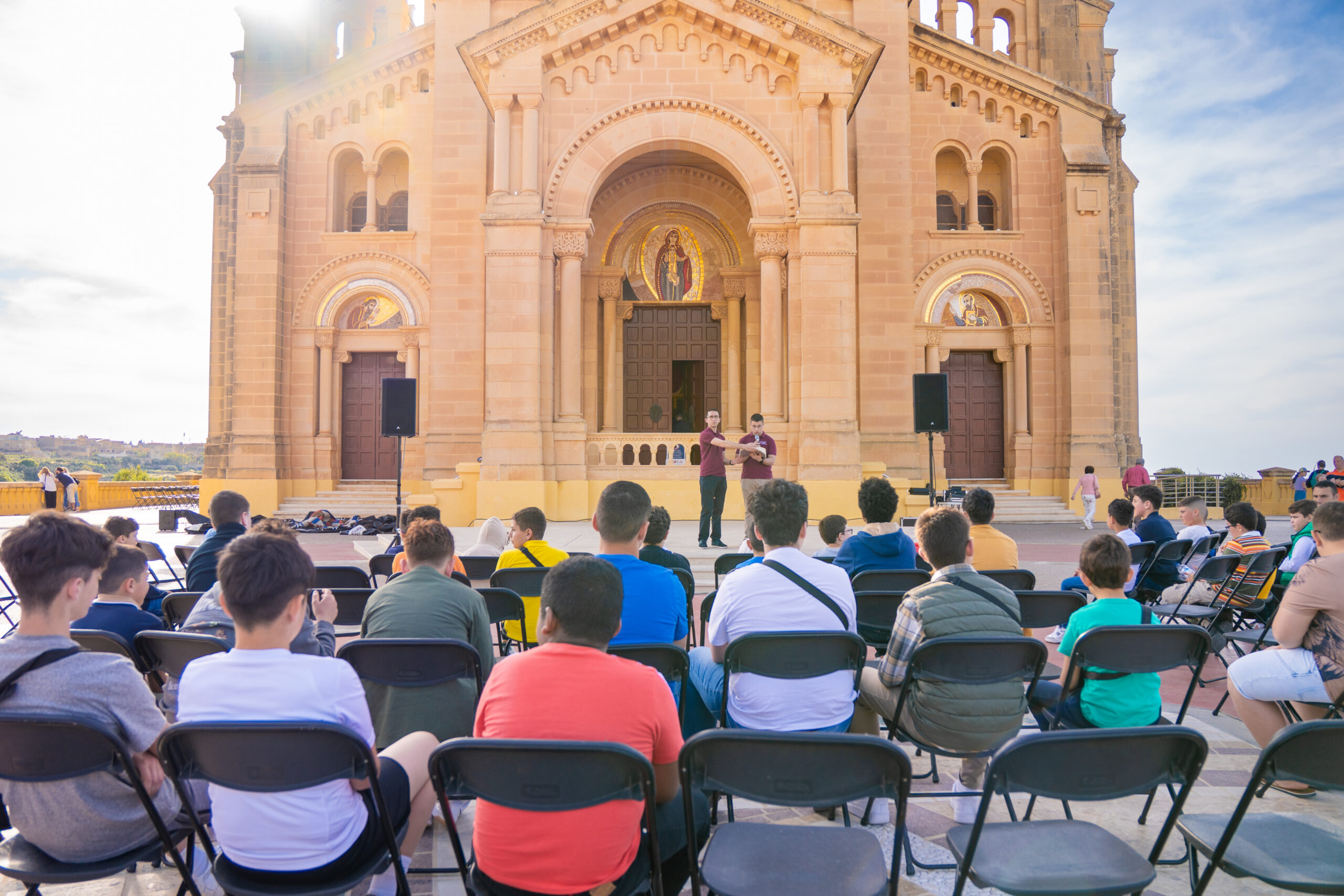
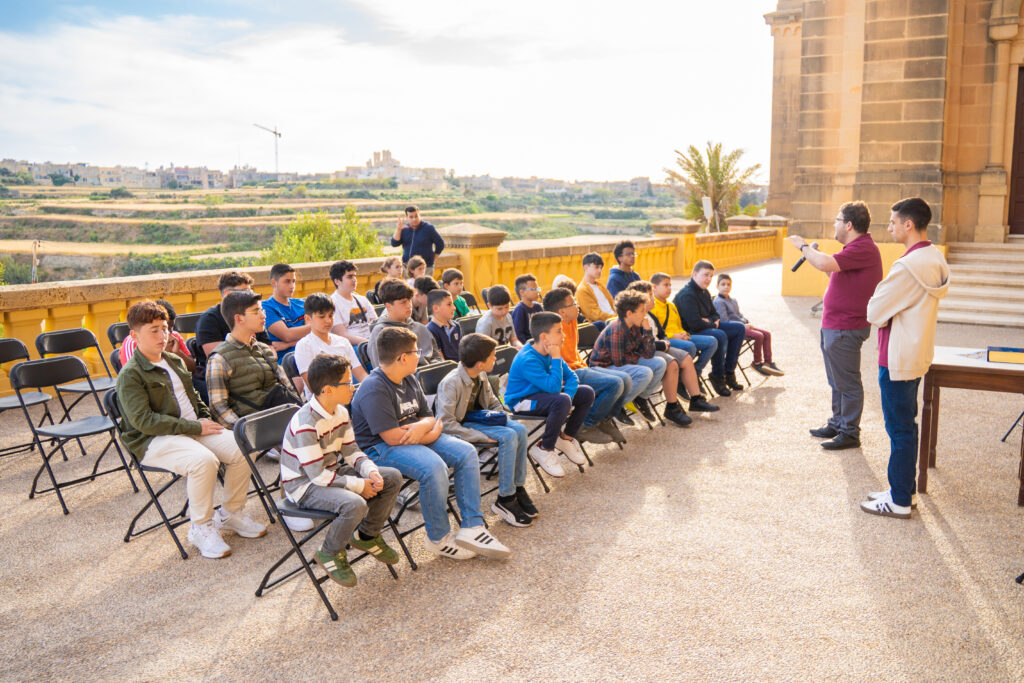
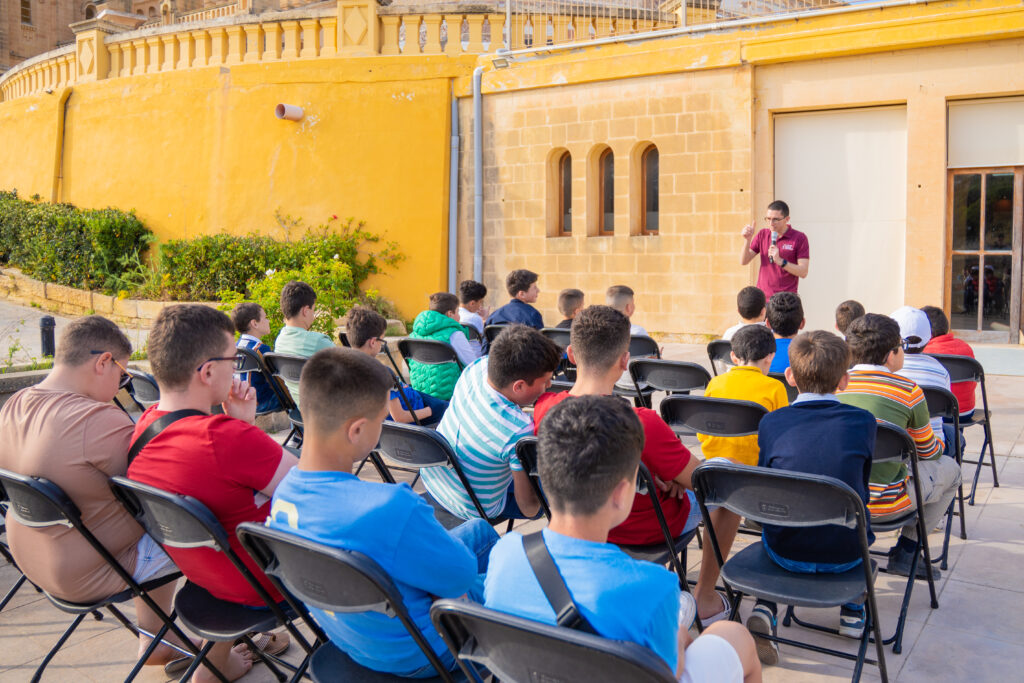
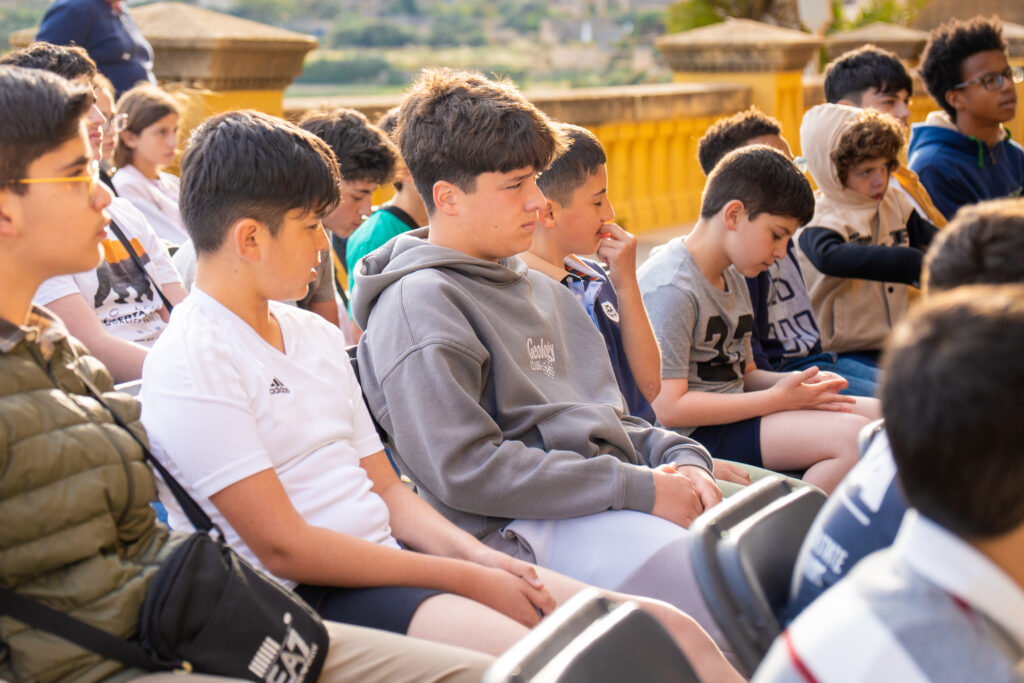
On Sunday, 3 May, the annual Festa Abbatini activity was organized by the seminarians on the parvis of Ta’ Pinu Sanctuary. This year’s theme focused on the figure of Saint Peter, the fisherman whom the Lord chose not only as His Apostle, but also as the rock upon which He would build His Church.
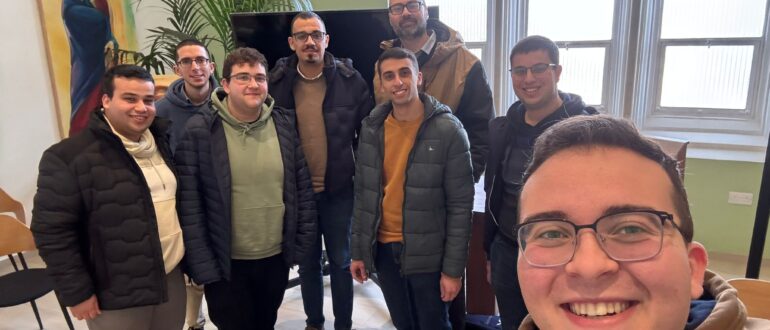
The seminarians were divided into three groups to explain in detail Jesus’ call to Peter to follow Him more closely (Luke 5:1–11), and how Jesus continues to make this same call to all of us today. At the same time, adoration was held beneath the Sanctuary, together with a special prayer for the parents of the altar servers led by Fr. Gabriel Gauci. Afterwards, there were various games, activities, and food for the altar servers and their families.

The season of Lent at our seminary is always a special time of reflection, renewal, and preparation. This year, the Lenten period was marked by a series of meaningful activities that helped us deepen our relationship with Christ and with one another.

Our Lenten journey began on 18th February with the celebration of Ash Wednesday, held at the Cathedral and presided over by Bishop Anton Teuma. This solemn liturgy invited us to enter into the spirit of Lent with humility and openness to conversion.

Throughout the weeks that followed, we had various opportunities to encounter and accompany the residents of OASI. These meetings included talks by Mr. Noel Xerri on the realities and struggles of drug addiction, as well as moments of sharing between residents and seminarians. These encounters, together with other fraternal meetings, were enriching experiences that fostered empathy, understanding, and fraternity within our community.

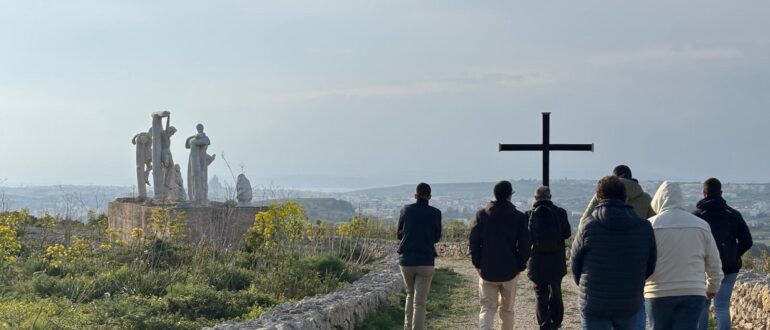
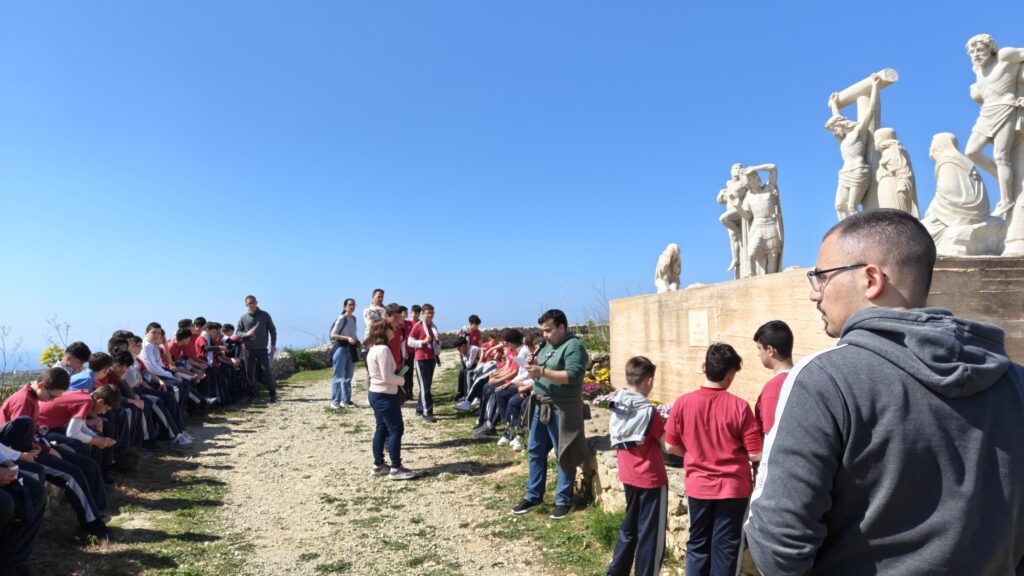
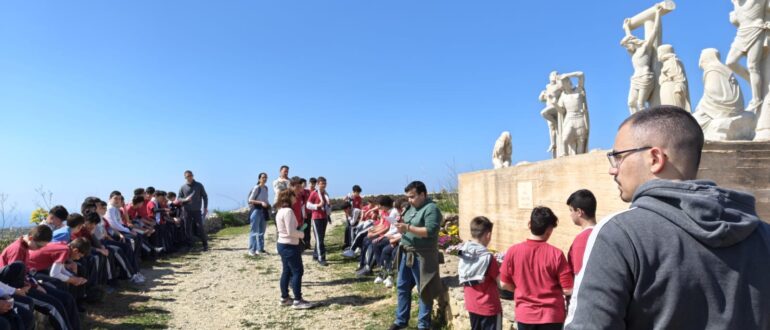
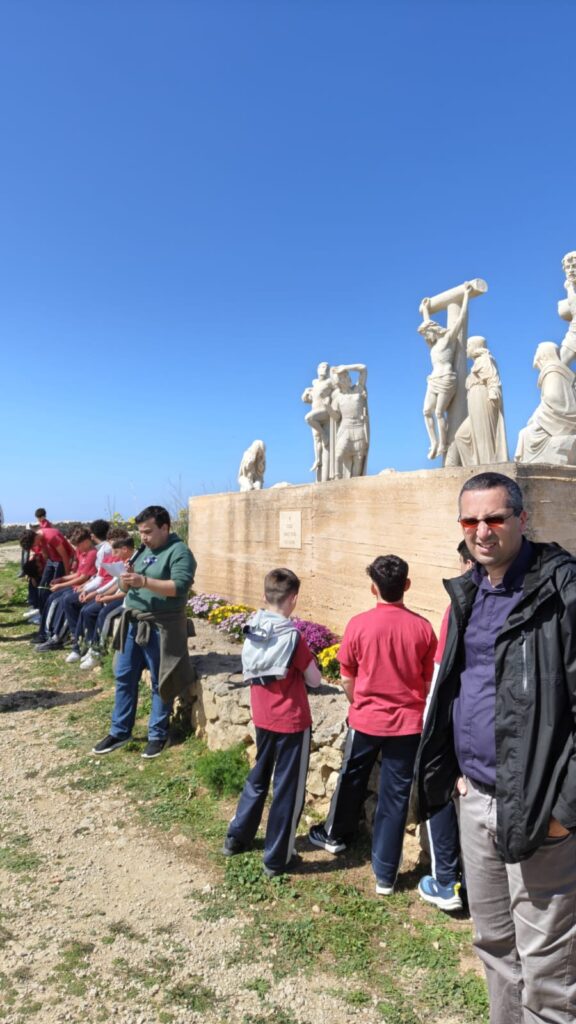
During Lent, we also gathered for moments of prayer and pastoral outreach. On Thursday 12th March, we led the Way of the Cross at Ta’ Għammar Hill for the Form 2 students of the Minor Seminary, entering more deeply into the mystery of Christ’s passion. Additionally, on Tuesday 17th March, we celebrated Mass at Casa Giuseppe together with the elderly residents, sharing with them not only the Eucharist but also moments of closeness and joy.

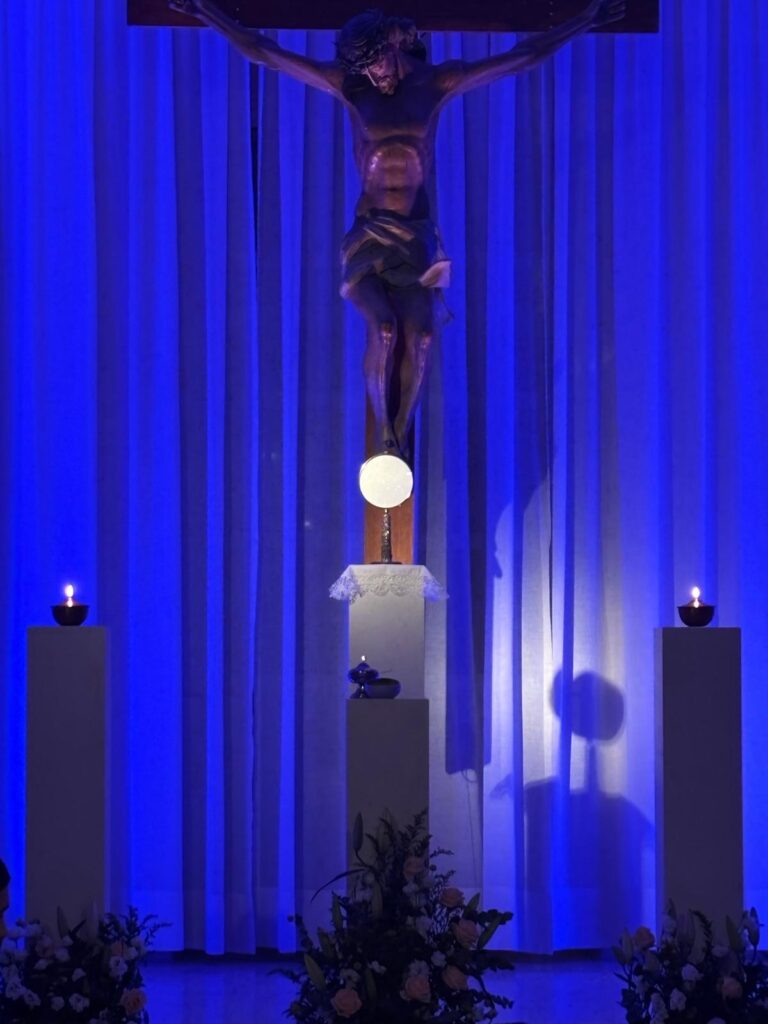
Two evenings of Eucharistic Adoration were organised for altar servers aged 12 and over, held at the seminary on Tuesday 12th and Tuesday 24th March. These moments of prayer were followed by a time of fellowship, strengthening bonds through a shared meal.

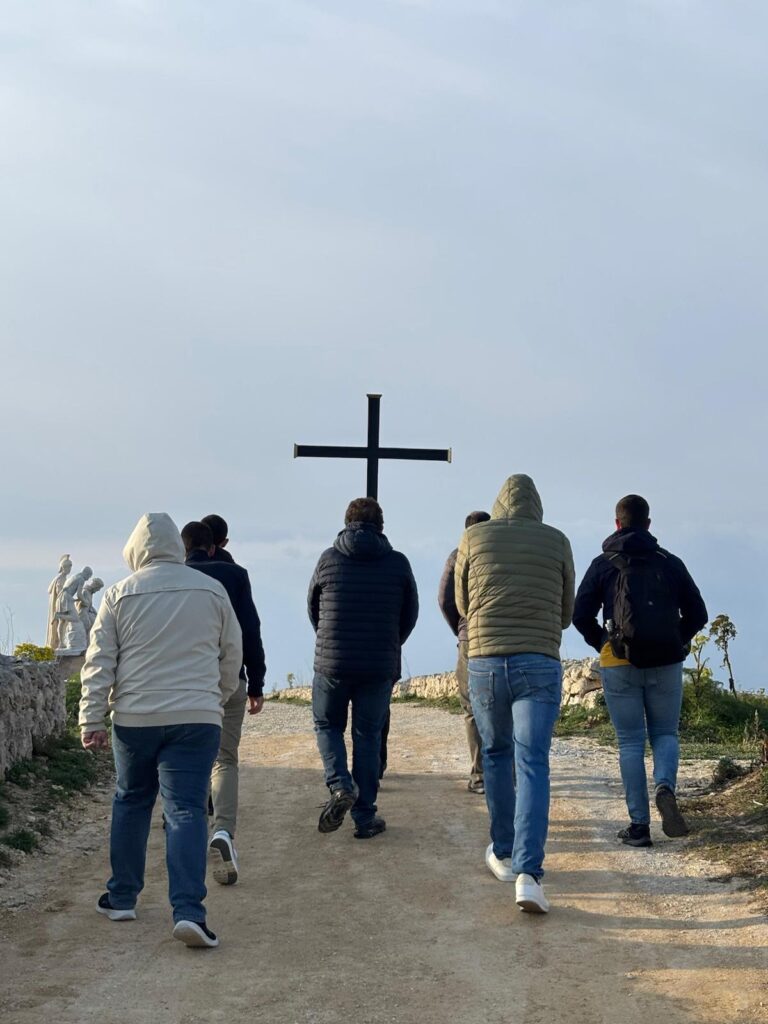
On Thursday 26th March, the community gathered once again at Ta’ Għammar Hill for the Way of the Cross in the morning, followed later in the day by a communal Mass. In the evening, we held a moment of fraternal correction together with a penitential celebration, offering an opportunity for reconciliation and spiritual growth.

Finally, from the evening of Sunday 29th March until Wednesday 1st April, we participated in a Lenten retreat together with the Maltese seminarians. The retreat took place at Tal-Virtù Seminary and was led by Reverend Sandro Vella O. Carm. These days of prayer, silence, and reflection helped us prepare more intensely for the celebration of Holy Week.

As we now move forward into the Easter season, we carry with us the fruits of this Lenten journey—gratitude, compassion, and a renewed commitment to our calling.

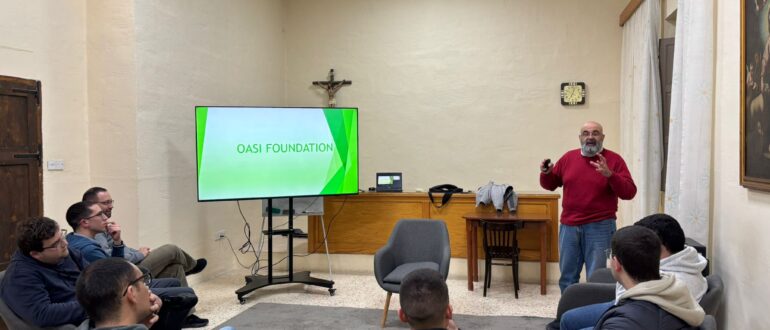
During Lent, the Sacred Heart Major Seminary organised a special series of meetings focusing on addiction. These sessions were delivered in collaboration with the Oasi Foundation and aimed to deepen the seminarians’ understanding of addiction and the path to healing.

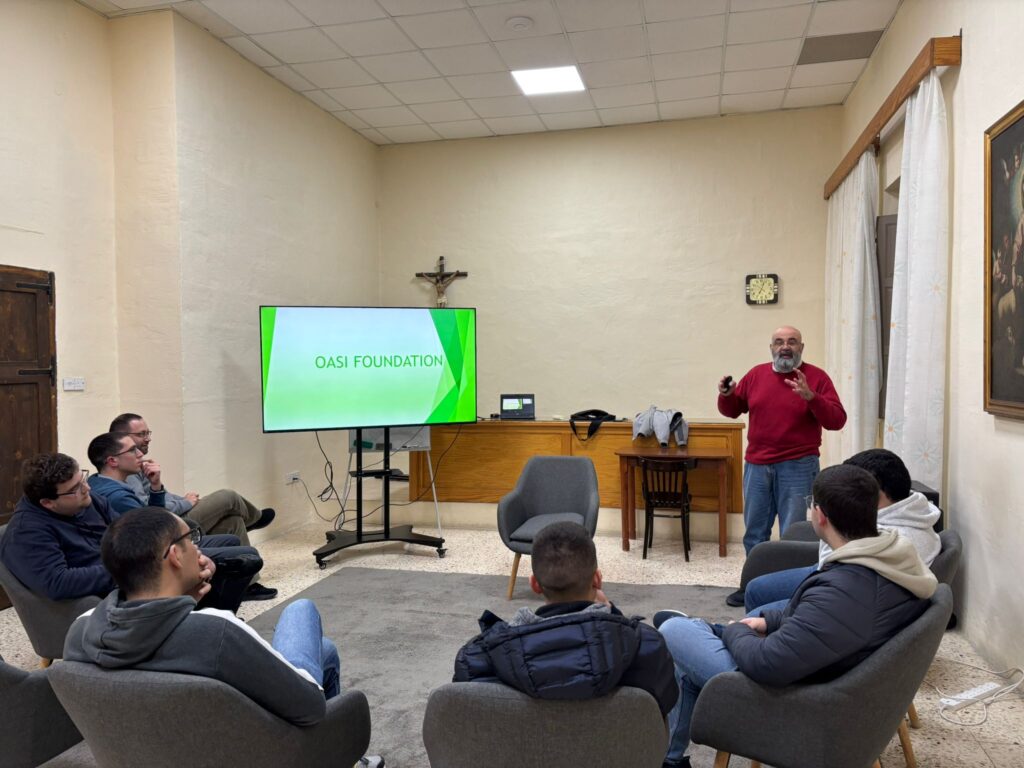
The series began with an introductory session on understanding addiction and the “twelve steps to healing,” led by Mr Noel Xerri, Chief Executive of the Oasi Foundation. This was followed by a visit to the Foundation premises, where the seminarians participated in a sharing session with the current residents and shared a meal with them.

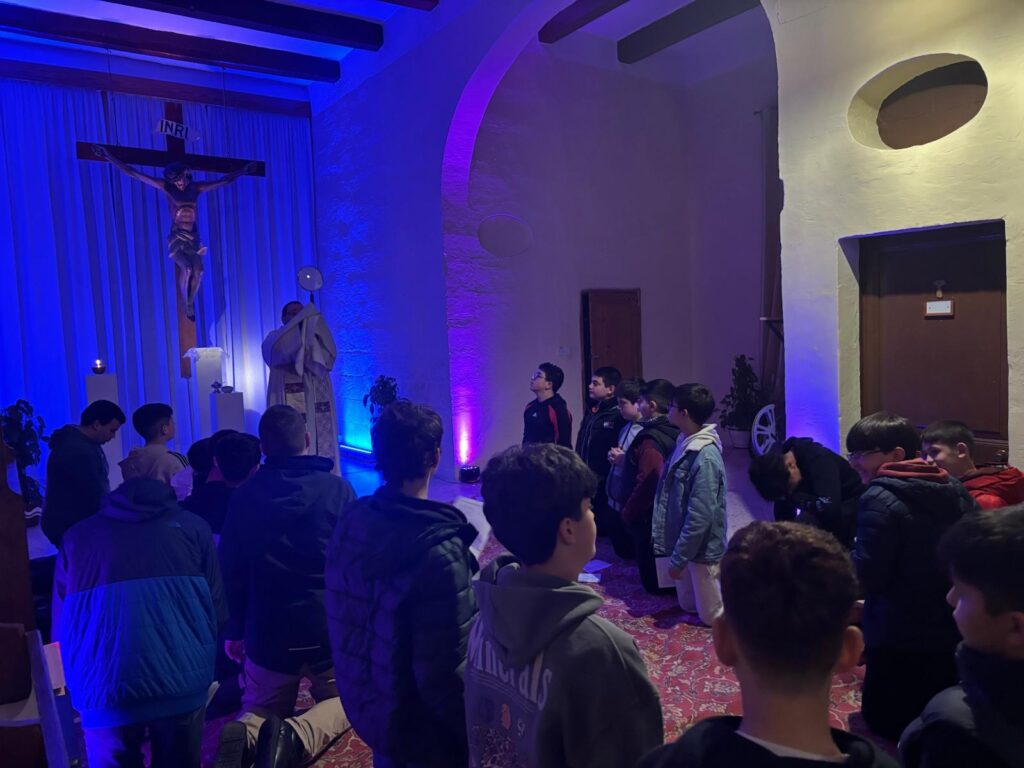
In two reciprocal visits, the current clients of Oasi came to the seminary. During one of these encounters, an hour of prayer was held before the Blessed Sacrament. Another visit included the celebration of Mass by the Vice-Rector, during which a special homily on Zacchaeus was delivered, highlighting themes of life conversions and healing. On both occasions, dinner was shared in the seminary refectory, followed by a tour around the seminary premises.

The final meeting took place in the Seminary Conference Room, where two close relatives of individuals who in the past struggled with their addiction shared their personal experiences. Their testimonies offered valuable insight into the challenges faced by families, helping the seminarians to grow in awareness and equipping them to offer more compassionate and effective support in their future pastoral ministry, while also conveying a message of hope.

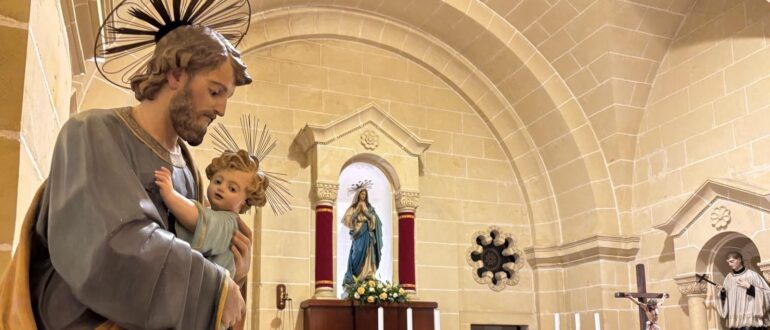
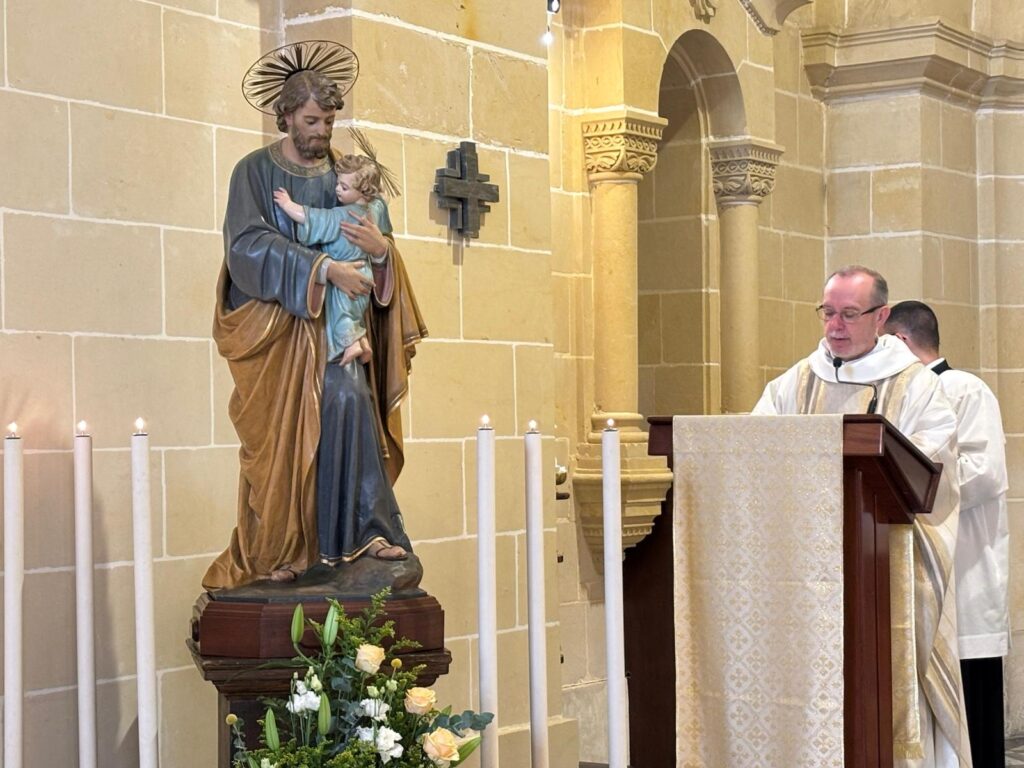
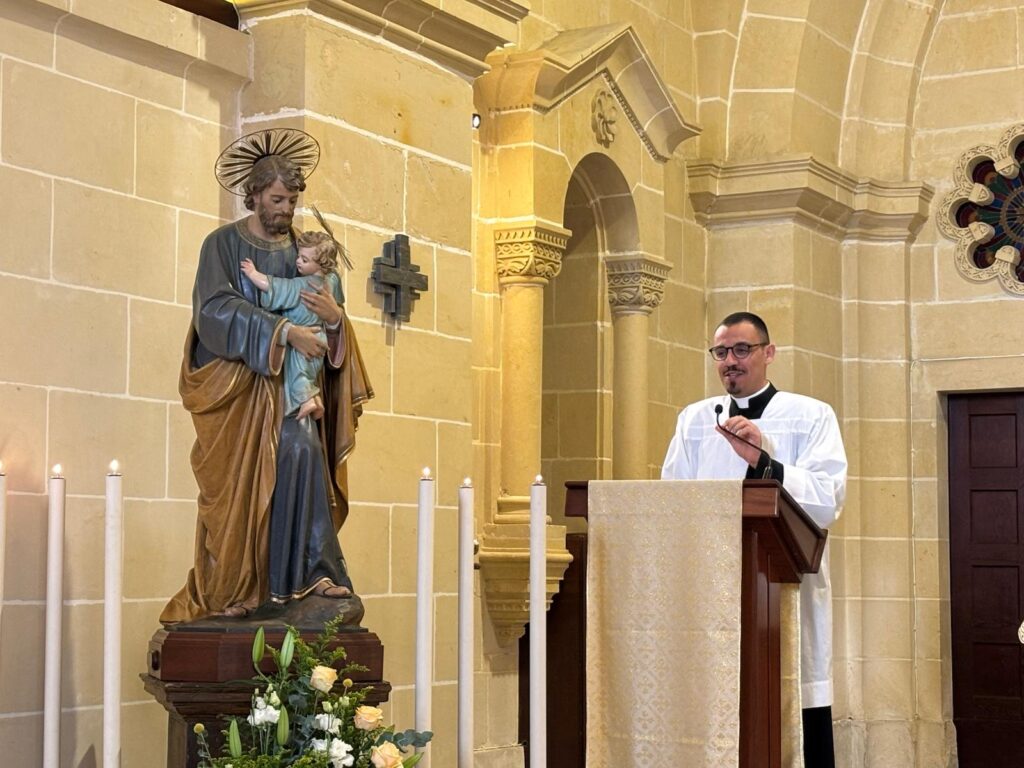
The Seminary Community marked the feast of St. Joseph on March 19 with a day of prayer and reflection.

Celebrations began in the morning with a solemn Mass presided over by the Rector, Fr. Joseph Bajada. During the liturgy, seminarian Fabio Cini delivered a reflection highlighting the virtues and example of St. Joseph. The community then gathered to pray Lauds following the Mass.

The day concluded in a spirit of quiet devotion, as seminarians participated in an hour of Eucharistic adoration in the evening, during which they also prayed Vespers. Afterwards, they went out together for supper, sharing a moment of fraternity and community life.

On Thursday 12th March, the Seminarians animated the Way of the Cross on Ta’ Għammar hill for the Form 2 students of the Sacred Heart Minor Seminary. This meaningful Lenten activity, now in its second consecutive year, invited students to reflect on the passion and sacrifice of Jesus through prayer, readings, and moments of silence at each station. Surrounded by the peaceful setting of Ta’ Għammar, the students were encouraged to deepen their spiritual journey during this important liturgical season. The initiative continues to strengthen the sense of community and faith among the seminarians and students.

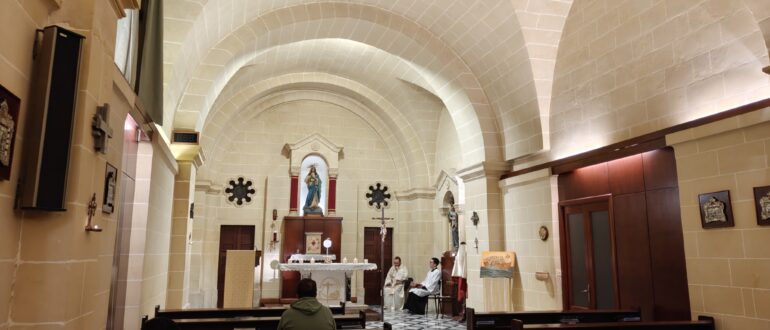
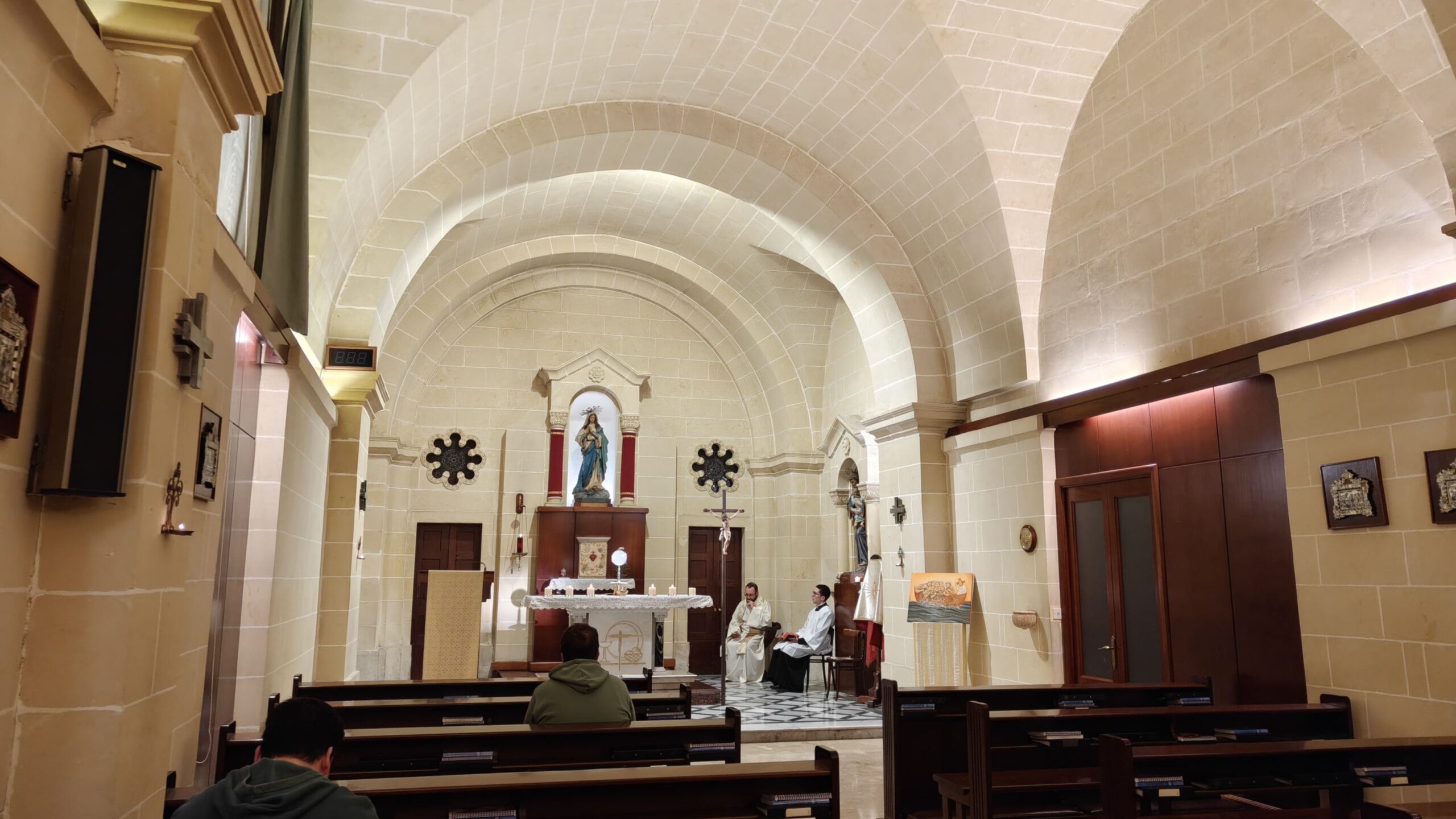
A solemn Mass was celebrated to mark the 40th anniversary of the dedication of the seminary chapel.

In his homily, the rector of the seminary, Fr Joseph Bajada, pointed out to the seminarians that the number 40 is significant, since in the Bible it is often associated with a period of formation and learning. He therefore encouraged them that, just as this place has formed many priests throughout the years, they too should open their hearts and allow this place to continue transforming and forming them.

He continued by saying that this is the place where the small community of seminarians gathers daily for prayer, as well as—especially in recent years—people who come regularly to open their hearts before God through personal prayer. For this reason, the chapel continues to be a space of encounter in silence, where many people find comfort and direction.

The chapel building originally began as part of St Julian’s Hospital, a women’s hospital built in 1783. When the hospital was converted into a seminary in 1866, part of the hospital ward was transformed into the seminary chapel. Since then, it has welcomed generations of seminarians and priests.

The chapel was rededicated in 1986 following renovations carried out according to the norms issued by the Second Vatican Council.

The seminary chapel is open every day from Monday to Friday between October and June from 8:00 a.m. until noon. Every second Thursday of the month, it is also open for one hour of adoration for vocations between 7:00 p.m. and 8:00 p.m.

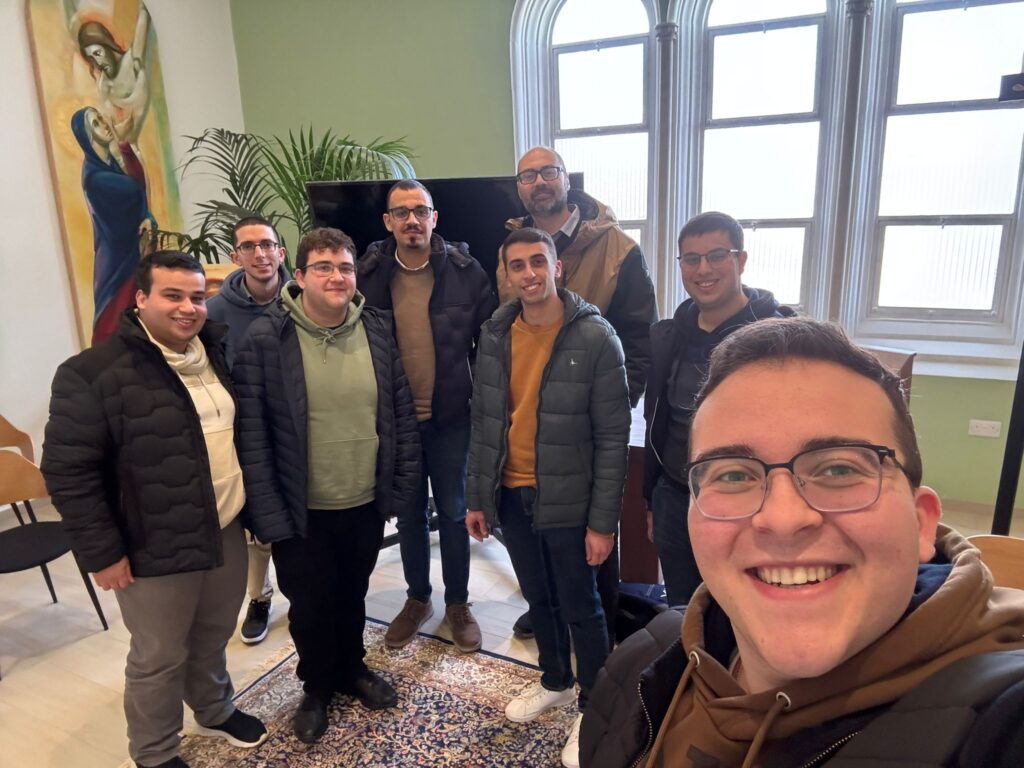
On Friday, 20th and Saturday, 21st February 2026, all seminarians participated in a Human Formation Weekend held at the Ċentru Kristu Ragħaj tal‑Virtu, Rabat, Malta. Three formation sessions were led by Fr. Matthew Pulis.

The weekend focused on the theme of human formation in the context of contemporary digital culture and media literacy, reflecting on how technology, social networks, and modern media influence identity, relationships, spiritual and church life.

Through these sessions, the seminarians reflected on several topics such as the impact of social networks and digital communication on the church in our dioceses, the culture surrounding gaming and online communities, creation of new challenges of loneliness and confused identity in the digital age, and the importance of the church being present as a social community on these platforms as a pioneering font of interior freedom and spiritual awareness amid rapid technological change.

The sessions provided an opportunity for reflection, dialogue, and pastoral discernment on how the church presently can better understand and accompany the communities living within today’s digital environment.

On Thursday, 12th February, the Sacred Heart Institute of Theology organised a half-day seminar on the use of Artificial Intelligence (AI) in academia for its lecturers and students. The session was led by Fr Jean Gove, who offered an engaging and insightful exploration of the latest advances in AI and their growing relevance within the academic sphere.

Fr Gove highlighted how AI tools can enhance research, streamline administrative tasks, support personalised learning, and assist in data analysis. He emphasised that, when used responsibly, AI can serve as a valuable aid to both educators and students, fostering efficiency and innovation in teaching and scholarship.

At the same time, he addressed the potential threats AI poses to academic integrity, including issues of plagiarism, over-reliance on automated systems, and ethical concerns surrounding data use. The seminar concluded with a lively discussion, encouraging participants to adopt a balanced, informed approach to integrating AI into academic life.

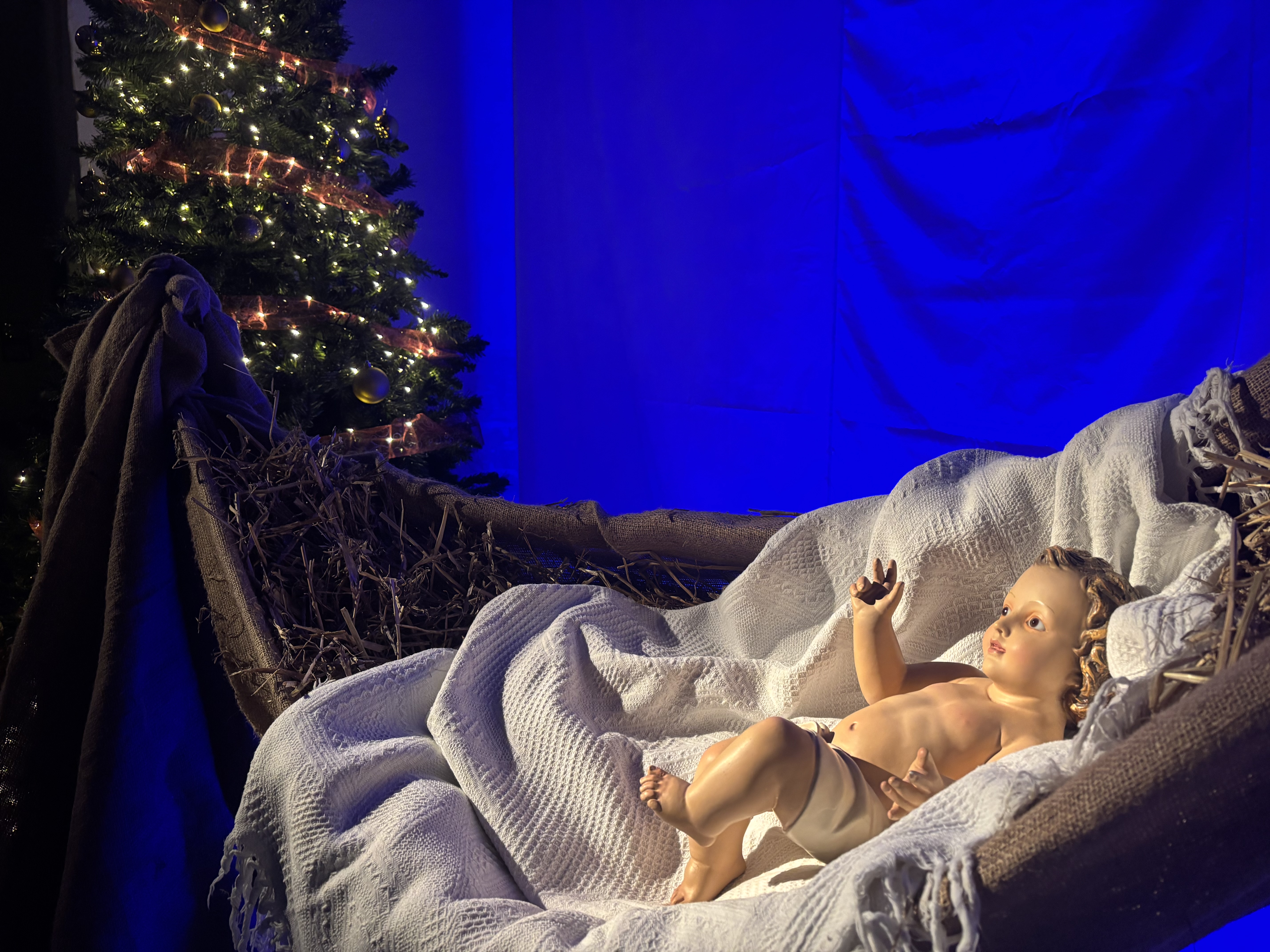
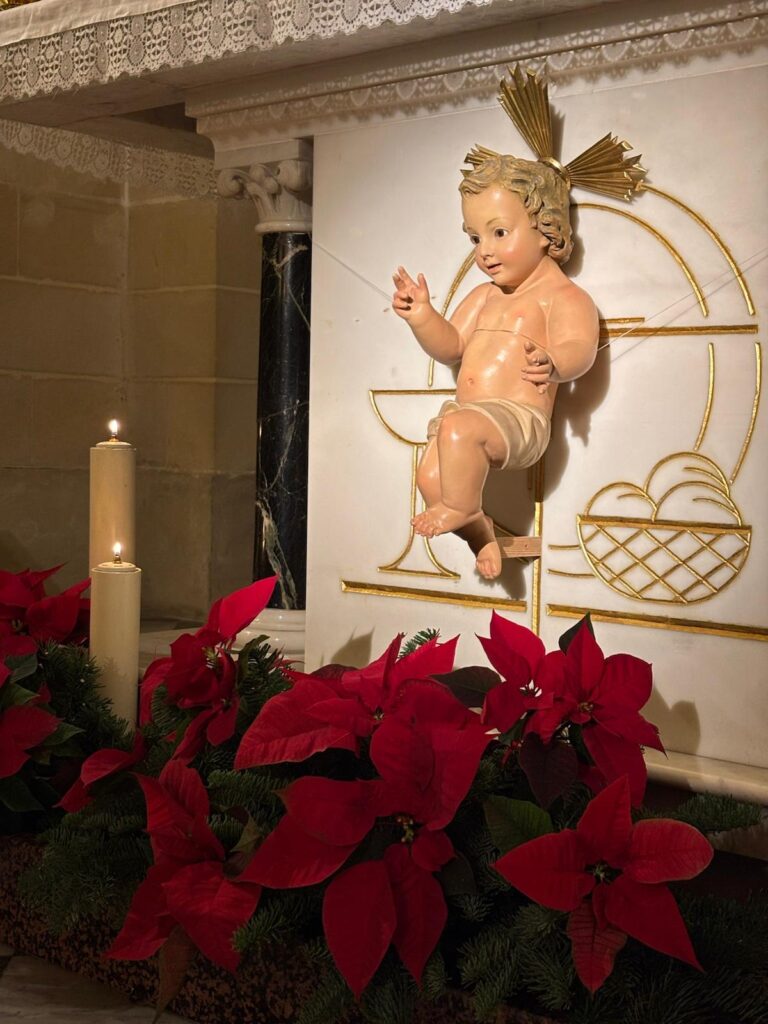
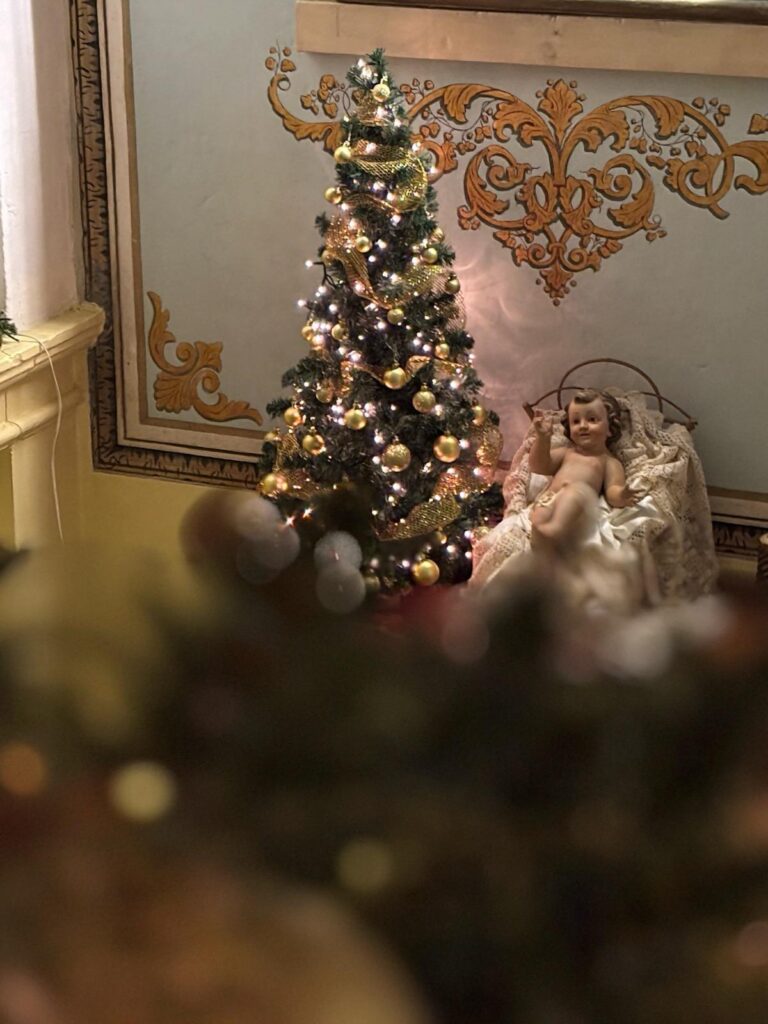
The month of December is filled with the joy of celebrating the Nativity of Our Lord Jesus Christ in Bethlehem. During the seasons of Advent and Christmas, the Church reflects not only on the coming of the Lord in the mystery of the Incarnation, but also on His glorious coming at the end of time.

This season in the Church’s year is also a special time for the Seminary, where the premises reflect the joy in our hearts through the various Christmas decorations. The community’s daily programme is slightly altered during this period. Throughout Advent, the seminarians and their formators meet earlier in the chapel, at 6.10 a.m., to pray together the Office of Readings.

From 15 December onwards, the community celebrated the Novena in preparation for Christmas. Each day during Mass, one of the seminarians shared a reflection on the profound relationship between the Mystery of the Incarnation and the various journeys of hope undertaken by the protagonists of the Christmas story.

During Advent, the Seminary community organised a vocational live-in for members of the vocational group aged sixteen and over, which took place between 10 and 13 December. In addition, a vocational meeting was organised for altar servers above the age of thirteen and members of the vocational groups on 4 December. This moment of prayer and Eucharistic adoration was followed by a dinner at the Seminary for all those who attended.

The community shared their festive joy on Thursday, 18 December, when they had the opportunity to exchange greetings and gifts. The first term at the Seminary came to a close on 19 December. That evening, at 7.00 p.m., the Rector, Fr Joseph Bajada, celebrated Mass in the Seminary chapel together with the formators, the seminarians and their families, the Franciscan Sisters, and the members of the association Aħwa–Ħbieb tas-Seminarju. After Mass, all those present gathered in the refectory for a reception to exchange their wishes for the festive season.

Later in the evening, the seminarians returned home to spend two weeks of Christmas holidays with their families. They will return to the Seminary on Monday, 5 January 2026, to commence the second term.

On Monday, 8 December, the Seminary community joined the wider Universal Church in celebrating the Solemnity of the Immaculate Conception of Our Lady, the patroness of the Seminary chapel. A Solemn Mass was held in the chapel at 11:00 a.m., with the Rector, Rev. Joseph Bajada, presiding. The celebration concluded with the singing of the antiphon Beata Mater, performed to a musical setting traditionally attributed to Mro Giuseppe Giardini Vella and uniquely preserved within the Seminary.

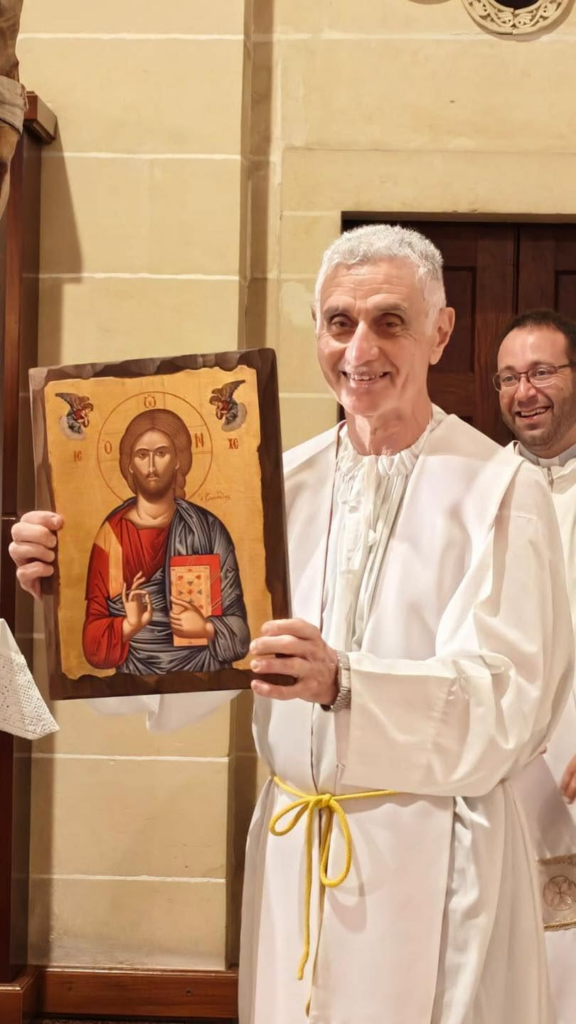
Following the Mass, Seminary lecturers and others involved in the formation of the seminarians assembled in the chapter room to pray Midday Prayer. Also in attendance were H.E. Mons. Anton Teuma and the Franciscan students currently studying at the Seminary. At the conclusion of the prayers, a token of appreciation was presented to Mr Joseph Bezzina in recognition of his service upon completing his role as Seminary administrator. The celebrations continued with a festive luncheon in the refectory.