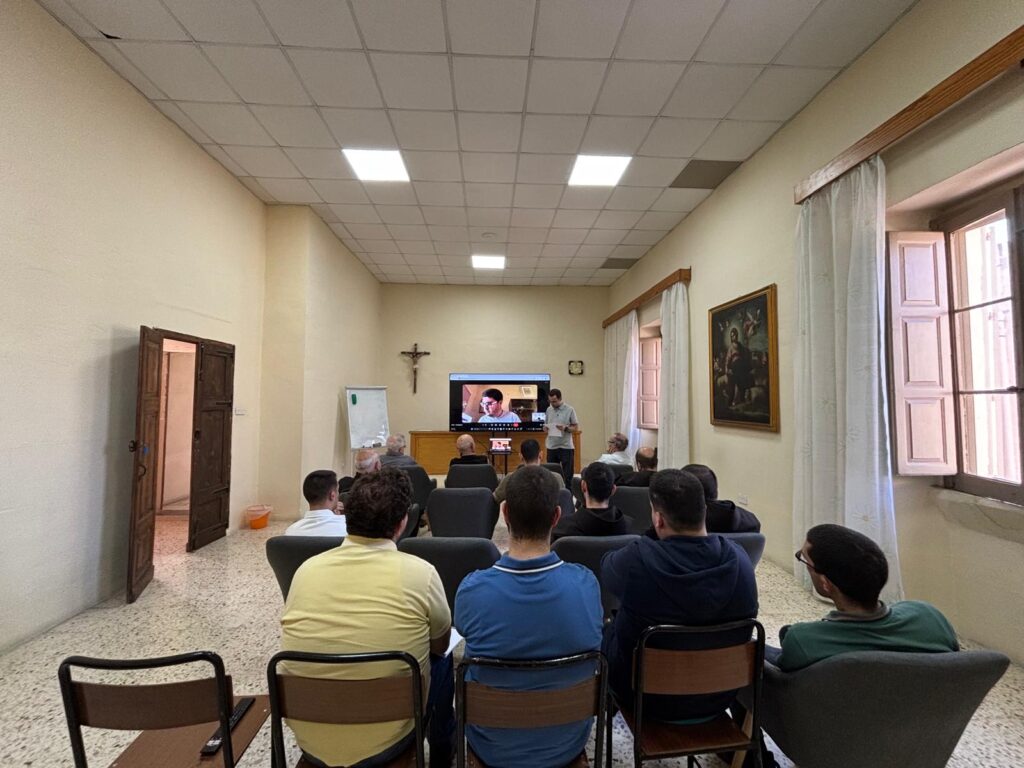
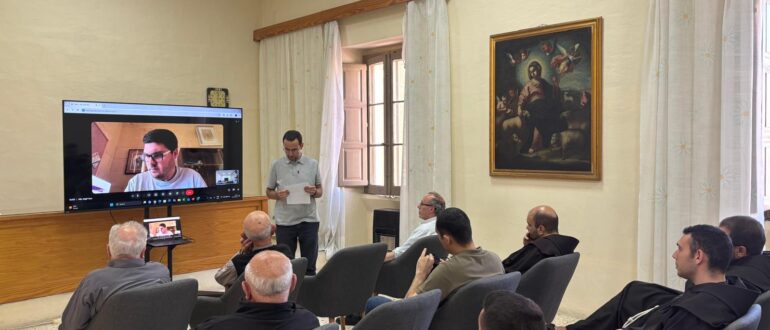

On 13th May 2026, a moral case study regarding work within the iGaming industry was held at the Seminary Conference Room led by Rev. Fr. Joseph Hili. The case study was attended by students of the Sacred Heart Theological Institute, several formators, lecturers, and other members of the clergy. It focused on the moral implications surrounding employment in industries connected with gambling and digital gaming services.
The case concerned, a 31-year-old IT engineer from Gozo and simultaneously a practicing Catholic actively involved in his parish community. After years working in a small company with an average salary, he received a highly attractive offer from a major Malta-based iGaming company. The position offered double his current salary, health insurance, annual bonuses, and hybrid working conditions. The engineer’s role would be purely technical, focusing on IT infrastructure and cybersecurity, without direct involvement in gambling operations or interaction with users.
Despite the professional advantages, he remained morally troubled. Although iGaming is legal and regulated in Malta, he was conscious of the social harm associated with online gambling, including addiction, debt, and family breakdown. His concerns deepened after learning that the company had previously been investigated for aggressive marketing practices targeting vulnerable people. While his fiancée expressed reservations regarding the social impact of the industry, the engineer’s father argued that technical role did not directly contribute to gambling itself. Seeking clarity, he consulted his parish priest asking whether he could accept such employment with a clear conscience.
After outlining the case, the presentation proceeded by examining the distinction between working “in” iGaming and working “for” the industry, particularly in relation to technical and indirect forms of cooperation. Attention was given to the Church’s moral tradition regarding cooperation in evil, distinguishing between formal and material cooperation, as well as proximate and remote forms of participation. The discussion also explored the relationship between civil legality and moral responsibility, emphasizing that the legality of an activity does not necessarily render it morally good.
Particular reference was made to the role of conscience, prudential judgment, and personal responsibility within complex economic realities. The presentation also reflected on the weight carried by financial obligations and family security when evaluating morally difficult employment decisions. Furthermore, the significance of the company’s prior investigation was discussed, especially concerning scandal, corporate ethics, and the moral implications of association with questionable practices even in the absence of legal condemnation.
The presentation revolved principally around two central themes: (1) the moral responsibility of Christians within professional and economic structures, and (2) the application of Catholic moral theology to contemporary industries and forms of remote cooperation. Special emphasis was placed on the formation of conscience and the pastoral role of priests when guiding individuals faced with ethically ambiguous professional situations.
Following the presentation, a brief discussion took place in which participants reflected on the practical, pastoral, and theological dimensions of the case study.